
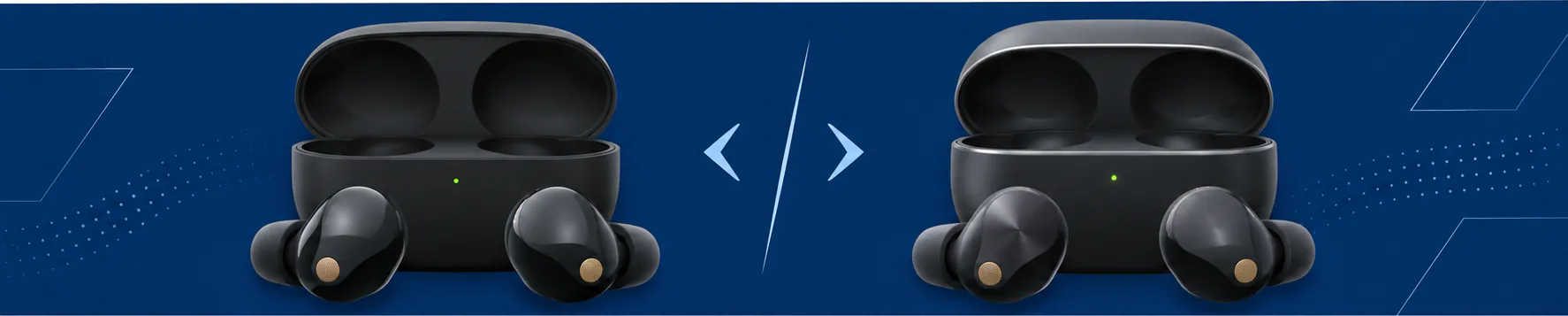
Sony WF-1000XM5 vs WF-1000XM6: What's Different and Which Should You Buy?
Sony's newer flagship improves noise cancellation, sound and calls, but fit and price may decide your purchase.
The Sony WF-1000XM5 and WF-1000XM6 are easy to mistake for two different tiers of earbuds. They aren't. The WF-1000XM6 is the newer generation of Sony's flagship wireless earbuds, replacing the WF-1000XM5 rather than sitting above it as a separate premium model.
So what makes the XM6 better? Sony upgraded the noise-cancelling processor, added microphones, refined the sound and redesigned the earbuds. But the older XM5 still offers excellent audio quality, similar battery life and many of the same wireless features. If you're deciding between them, the improvements need to justify the price difference and work with your ears.
This comparison draws on Sony's specifications, independent professional reviews and owner feedback, rather than our own hands-on testing.
Buy the WF-1000XM5 if you want flagship Sony sound, a lighter design and better value when it's significantly cheaper.
Buy the WF-1000XM6 if stronger noise cancellation, clearer calls and refined sound justify paying more.
The XM6 is a newer flagship, not a separate premium tier, and its redesigned fit won't suit everyone.
Sony WF-1000XM5 vs WF-1000XM6 Specs
| Specification | Sony WF-1000XM5 | Sony WF-1000XM6 |
| Release date | July 2023 | February 2026 |
| Launch MSRP (U.S.) | $299.99 | $329.99 |
| Driver size | 8.4 mm Dynamic Driver X | 8.4 mm redesigned driver diaphragm |
| Noise-cancelling processor | HD Noise Cancelling Processor QN2e | HD Noise Cancelling Processor QN3e |
| Integrated Processor | V2 | V2 |
| Internal audio processing | 24-bit | 32-bit |
| Microphones | 6 total, 3 per earbud | 8 total, 4 per earbud |
| Bluetooth version | 5.3 | 5.3 |
| Bluetooth audio codecs | SBC, AAC, LDAC, LC3 | SBC, AAC, LDAC, LC3 |
| Multipoint connectivity | Yes | Yes |
| Music battery life, ANC on | Up to 8 hours | Up to 8 hours |
| Total music battery life with case, ANC on | Up to 24 hours | Up to 24 hours |
| Continuous talk time, ANC on | Up to 6 hours | Up to 5 hours |
| Earbud weight | Approximately 5.9 g each | Approximately 6.5 g each |
| Charging case weight | Approximately 39 g | Approximately 47 g |
| Water resistance | IPX4 | IPX4 |
| Wireless charging | Qi | Qi |
| Charging connector | USB-C | USB-C |
| Companion app | Sony Sound Connect | Sony Sound Connect |
Noise Cancellation: The WF-1000XM6 Has the Biggest Upgrade
If there's one reason to choose the WF-1000XM6, it's improved active noise cancellation. Sony replaced the XM5's QN2e noise-cancelling processor with the newer QN3e and increased the microphone count from six to eight.
Sony claims the XM6 delivers approximately 25% more noise reduction than the XM5, particularly across mid-to-high frequencies. That matters when you're trying to reduce background conversations, traffic and other distracting sounds.
Independent reviewers generally confirm an improvement, although they disagree on how dramatic it is. RTINGS reports stronger noise isolation with the XM6, especially against lower-frequency noise. SoundGuys also measured improved isolation, but its average results were relatively close. TechRadar was less enthusiastic about how the XM6 compares with the strongest noise-cancelling competitors.
One factor matters regardless of which model you buy: the ear tips need to seal your ear canal. Even excellent noise-cancelling electronics cannot fully compensate for a loose-fitting earbud.
Winner: Sony WF-1000XM6, if you spend time commuting, flying or working in noisy environments.
Sound Quality: The XM6 Sounds More Refined, but the XM5 Is Still Excellent
Both earbuds use 8.4 mm drivers, but Sony redesigned the XM6's diaphragm and updated its internal audio processing. The XM6 also moves from 24-bit to 32-bit internal processing. That change concerns processing inside the earbuds, not the bit depth of audio transmitted over Bluetooth.
The practical difference is in the sound presentation rather than a completely new listening experience. What Hi-Fi? describes the XM6 as warmer, fuller and more natural, with improved clarity and dynamics. The XM5 remains highly detailed and capable, and some listeners may prefer its presentation.
Both models support LDAC for compatible high-resolution Bluetooth audio, DSEE Extreme, Sony's 360 Reality Audio ecosystem and customizable sound settings through the Sound Connect app. You don't need the XM6 to access Sony's main premium wireless audio features.
The XM6 also adds a promoted 10-band equalizer and additional sound customization features. These are useful if you enjoy adjusting your listening experience, although the XM5 already provides extensive controls.
Winner: Sony WF-1000XM6, if you want Sony's latest sound tuning and greater refinement. The XM5 remains a strong choice for music listening.
What Reviewers Say About Sound Quality
Class-leading levels of detail and clarity
Wonderfully natural, musical sound
Comfort and Fit: The Newer Design Isn't Automatically Better
Sony redesigned the XM6 housing to follow the shape of the outer ear more closely. The company describes it as approximately 11% slimmer in a particular dimension, with added ventilation intended to reduce pressure and improve comfort.
But slimmer does not mean universally smaller. The XM6 weighs approximately 6.5 grams per earbud compared with 5.9 grams for the XM5, and its more elongated housing can fit differently. The XM5 has a rounder shape and a slightly lighter feel.
This difference matters especially if you have small ears. You might assume the newest model is the obvious choice, but ear canal size, the shape of your outer ear and tip selection can all change the result. Some reviewers prefer the XM6's redesigned fit, while others continue to report problems with earbud security.
What Owners Report
XM5 owners on Reddit have described earbuds loosening while walking, exercising or moving their jaws. Others report discomfort from the included foam tips or difficulty finding a lasting seal. Similar complaints appear for the XM6, including earbuds rotating, slipping or creating pressure during extended wear.
There are positive experiences, too. A November 2026 owner comparison described the XM6 as more comfortable for small ear canals despite its larger and heavier body. That illustrates why specifications alone cannot settle the fit question.
Both generations use Sony's noise-isolating foam-style tips. Owners of both models have reported tip wear, making replacement tips a potential ongoing expense.
Winner: Tie. The XM5 has a lighter, more discreet body, while the XM6 has a redesigned shape that may be more comfortable for some ears.
Call Quality: The WF-1000XM6 Is Better Equipped for Conversations
The XM6 adds two microphones compared with its predecessor, bringing the total to eight. Sony also updated its voice-processing system, combining AI beamforming, bone-conduction sensing and microphone processing to separate your voice from surrounding noise.
That makes the newer earbuds more appealing if you frequently take work calls or talk while walking through busy areas. SoundGuys, RTINGS and What Hi-Fi? generally report improved voice reproduction on the XM6, although particularly loud external sounds can still interfere.
The XM5 can handle everyday calls, especially in quieter environments. The difference becomes more relevant when the microphones need to distinguish your voice from traffic, crowds or other background sounds.
Winner: Sony WF-1000XM6, if you frequently make calls outside or in moderately noisy surroundings.
Battery Life: The XM6 Doesn't Last Longer for Music
Despite the newer processing hardware, Sony rates both models for up to eight hours of music playback with noise cancellation enabled. Including the charging case, both offer up to 24 hours under those conditions.
That's an important point if you're upgrading from the XM5. You aren't gaining extra rated music playback time by buying the XM6.
There is one interesting difference: Sony rates the XM5 for up to six hours of continuous talk time with ANC enabled, compared with five hours for the XM6. Actual battery performance varies with volume, Bluetooth settings, calling and environmental conditions.
Both support USB-C charging and Qi wireless charging. Neither brings a meaningful new advantage in charging convenience.
Winner: Tie for rated music playback. The XM5 has the advantage in Sony's published continuous talk-time figures.
Connectivity and Features: More Similar Than Different
Both earbuds support Bluetooth 5.3, LDAC, AAC, SBC, LC3 and multipoint connectivity. That means both can connect to two compatible devices simultaneously and support many of Sony's premium wireless audio features.
The XM6 does have an improved antenna design. Sony enlarged its internal antenna and updated connection processing to support more stable wireless operation. TechRadar reported stable connectivity during its review.
But there isn't a major new Bluetooth codec or a completely different connectivity system separating these generations. If your XM5 already maintains a reliable connection to your phone and laptop, this improvement alone may not justify replacing it.
Winner: Sony WF-1000XM6 for its updated connection hardware, although most buyers will find the basic features very similar.
Design, Portability and Durability
The XM5 has an advantage if you want a lighter pair of earbuds and charging case. Its case weighs approximately 39 grams, while the redesigned XM6 case weighs approximately 47 grams. That's not a dramatic difference, but the newer case can feel bulkier in a pocket.
On the other hand, Sony redesigned the XM6 earbuds to make them easier to grip and remove from the case. This addresses an everyday criticism of the XM5's smooth, sometimes slippery housing.
Both models carry an IPX4 water-resistance rating, making them suitable for exposure to splashes and sweat under the rating's test conditions. Neither is designed for swimming or immersion.
For workouts, physical fit is more important than the small difference in weight or the matching water-resistance rating. Owners of both generations have reported problems keeping the earbuds secure during movement.
Winner: Sony WF-1000XM5 for portability. The XM6 is preferable if easier earbud handling matters more.
Price and Value: How Much Is the XM6 Upgrade Worth?
The Sony WF-1000XM5 launched at $299.99 in the United States. The WF-1000XM6 launched at $329.99, just $30 more than its predecessor's original price.
At that small difference, the XM6's stronger noise cancellation, improved microphone system and refined audio tuning make a persuasive case for choosing the newer model.
However, the decision changes if the XM5 costs substantially less. The older model still includes Sony's premium wireless audio features, strong noise cancellation and the same rated music battery life. You're giving up improvements, not moving down to a basic pair of earbuds.
SoundGuys considers the XM6 a more compelling upgrade for owners of the XM4 or older models than for people already satisfied with the XM5. That distinction is important: buying your first pair and replacing a working pair are two different decisions.
Winner: Sony WF-1000XM5 when the savings are substantial. The XM6 is the stronger choice when the actual price difference is relatively small.
Sony WF-1000XM5: Pros
-
Detailed, high-quality sound praised by professional reviewers
-
Strong active noise cancellation
-
Lighter earbuds and charging case
-
Up to eight hours of music playback with ANC
-
LDAC, multipoint and extensive app features
-
Potentially better value when significantly cheaper
Sony WF-1000XM5: Cons
-
Less effective noise cancellation than the XM6
-
Older microphone and voice-processing hardware
-
Smooth housing can be difficult to grip
-
Foam tips don't fit everyone securely
-
Owners report occasional slipping and tip deterioration
Sony WF-1000XM6: Pros
-
Improved active noise cancellation
-
More natural, refined sound according to reviewers
-
Improved microphone system for calls
-
Updated antenna and wireless connection processing
-
Redesigned housing with easier handling
-
Expanded sound customization features
Sony WF-1000XM6: Cons
-
Higher launch price
-
No improvement in rated music battery life
-
Heavier earbuds and charging case
-
Redesigned fit still causes problems for some owners
-
Foam-tip comfort and durability complaints persist
-
Limited incentive to upgrade from a well-fitting XM5
Which One Should You Buy?
Choose the Sony WF-1000XM5 if:
- You want premium Sony sound and noise cancellation without paying more for the newest generation.
- You prefer lighter earbuds and a smaller, more discreet design.
- You mainly listen to music and don't frequently make calls in noisy places.
- You already own the XM5, like how it fits and have no major performance complaints.
- The XM5 is available for substantially less than the XM6.
Choose the Sony WF-1000XM6 if:
- You want Sony's strongest noise cancellation from these two generations.
- You regularly take calls in environments with background noise.
- You value the newer sound tuning, improved clarity and updated customization options.
- You want the redesigned housing and improved earbud handling.
- You're buying your first premium Sony earbuds and the price difference is relatively small.
Our recommendation: The WF-1000XM6 is the better-equipped generation overall, but that doesn't automatically make it the better purchase. The XM5 remains a sensible choice if the price is right, especially when fit and battery life matter more than the latest processing hardware.
If secure fit is your biggest concern, particularly with small ears or exercise, don't assume either model is guaranteed to work. Both have documented owner complaints about slipping and ear-tip comfort.
Wolfbox participates in the Amazon Services LLC Associates Program, an affiliate advertising program designed to provide a means for sites to earn advertising fees by linking to Amazon.com
Best Value Choice
Who It's For
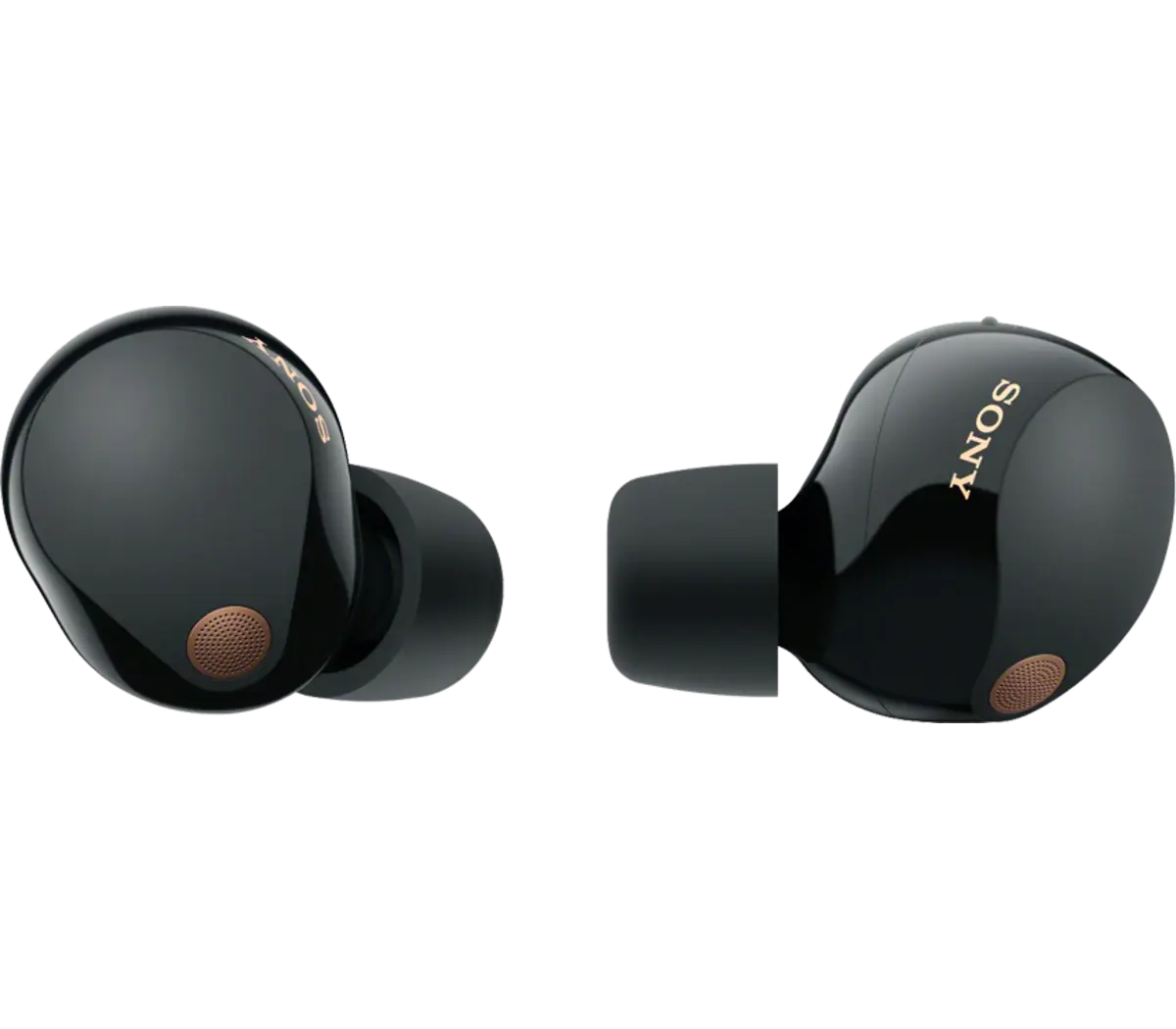
Choose the XM5 if you want premium audio features without paying extra for the XM6's improvements. It's especially appealing when the price difference is substantial and its fit works for your ears.
Sony's previous-generation flagship offers 8.4 mm Dynamic Driver X audio, QN2e noise cancellation, Bluetooth 5.3, LDAC and multipoint connectivity. Sony rates it for up to eight hours of music playback with ANC enabled, and the lightweight design remains a... Show More
Best for Noise Cancellation
Sony WF-1000XM6
Who It's For
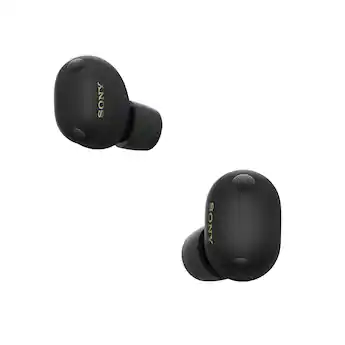
Choose the XM6 if you want the newer generation's stronger noise cancellation, clearer calls and refined sound. It's the more compelling first purchase when the price difference is modest and the redesigned housing fits comfortably.
Sony's newer flagship adds the QN3e noise-cancelling processor, eight microphones, updated voice processing and redesigned 8.4 mm drivers. It retains up to eight hours of rated music playback with ANC, Bluetooth 5.3, LDAC and multipoint connectivity.
Is the Sony WF-1000XM6 the premium version of the WF-1000XM5?
No. Both are premium flagship earbuds. The WF-1000XM6 is the newer generation that replaces the WF-1000XM5, with improvements to noise cancellation, microphones, sound processing and design.
Is the WF-1000XM6 worth upgrading to from the WF-1000XM5?
It can be worth upgrading if you want better noise cancellation, improved calls or the newer sound tuning. If your XM5 earbuds fit well and you're satisfied with their performance, the improvement is less compelling.
Which has better noise cancellation, the WF-1000XM5 or WF-1000XM6?
The WF-1000XM6 generally performs better. Sony claims approximately 25% improved noise reduction, and independent reviewers report stronger isolation, although the magnitude varies by frequency, environment and ear-tip seal.
Is the Sony WF-1000XM6 better for small ears?
Not necessarily. Sony redesigned the XM6 housing to be slimmer in one dimension, but the earbuds are also heavier and shaped differently. Some owners with small ear canals prefer the XM6, while others find that it slips or creates pressure.
Do the WF-1000XM5 and WF-1000XM6 have the same battery life?
Sony rates both for up to eight hours of music playback with ANC enabled and up to 24 hours including the case. The XM5 has a higher published continuous talk-time rating, at six hours versus five hours with ANC enabled.
Does the WF-1000XM6 sound better than the WF-1000XM5?
Professional reviewers generally prefer the XM6's more natural, fuller and refined sound. The XM5 remains an excellent-sounding earbud, and personal tuning preferences can influence which presentation you like more.
Are the Sony WF-1000XM5 and WF-1000XM6 good for running?
Both have IPX4 water resistance, but neither guarantees a secure workout fit. Owners of both generations report occasional slipping during movement, so choosing suitable ear tips and achieving a stable seal is important.
Sources
- WF-1000XM5 official specifications, Sony
- WF-1000XM6 official specifications, Sony
- WF-1000XM5 launch announcement, Sony
- WF-1000XM6 launch announcement, Sony
- Sony WF-1000XM6 vs Sony WF-1000XM5 comparison, SoundGuys
- WF-1000XM5 review, What Hi-Fi?
- WF-1000XM6 review, What Hi-Fi?
- WF-1000XM5 and WF-1000XM6 direct comparison, RTINGS
- WF-1000XM6 review, TechRadar
- Owner observations comparing the WF-1000XM6 and WF-1000XM5, Reddit - r/SonyHeadphones